FEBRUARY 23, 2023
Now that our seeds have been placed in the starting medium, lets talk about the growth stages of super hot peppers. Some varieties will vary so I will discuss one of the more popular super’s.
🔥🌶️Carl Sian🌶️🔥
The Carolina Reaper
Carolina Reaper Peppers are one of the hottest peppers in the world. As early as 2010 the pepper was known as HP22B until 2013. They were created by Ed Currie, who bred a Naga Viper from England with a La Soufriere pepper from Saint Vincent. The result is a pepper that has an average Scoville rating of over 1.5 million, with some individual peppers reaching up to 2.2 million Scoville’s.
The Carolina Reaper has a fruity, sweet flavor, but it is so hot that it can cause vomiting, seizures, and even heart attacks in some individuals. It is important to handle these peppers with care, wear gloves when handling and avoid touching your face or eyes.
These peppers are often used in hot sauces, chili, and other spicy dishes. They can also be dried and ground into a powder for use in rubs or seasoning blends. If you are a fan of spicy food, Carolina Reaper peppers are worth trying, but remember to use them in moderation and handle them with care.
Stages of Carolina Reaper Growth
- Seed Stage: The seed stage typically lasts from 7 to 14 days, or until the seeds have sprouted. To ensure proper germination, the seeds should be planted in a well-draining soil mix and kept moist but not waterlogged. A temperature of around 80-85°F (27-29°C) will help speed up the germination process. Once the seeds have sprouted, they should be placed in a sunny location and watered regularly to keep the soil moist but not saturated. After the first true leaves appear, the seedlings can be transplanted into larger containers or directly into the ground.
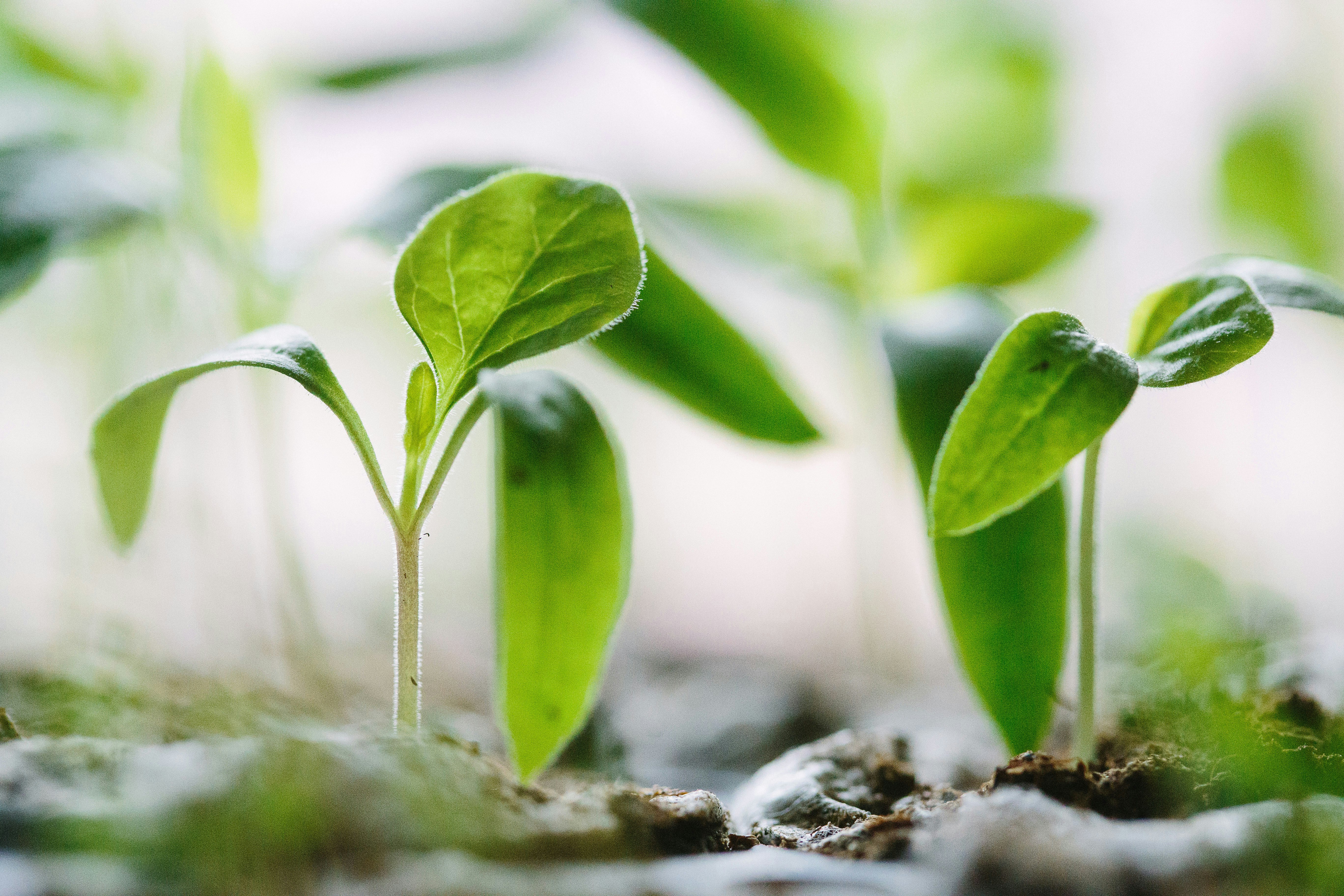
- Seedling Stage: The seedling stage of Carolina Reaper peppers usually lasts from 2 to 4 weeks, depending on growing conditions. During this stage, the plants will begin to develop their first true leaves and establish a strong root system. It is important to keep the soil moist but not waterlogged during this stage, as overwatering can lead to root rot. The seedlings should be placed in a sunny location with temperatures between 70-85°F (21-29°C) and protected from strong winds. Once the seedlings have grown to a height of 3-4 inches (7.6-10.2 cm), they can be transplanted into larger containers or directly into the ground. It is important to handle the delicate seedlings with care to avoid damaging the roots or stems.
- Vegetative Stage: The vegetative stage can last anywhere from 4 to 8 weeks, depending on how quickly the plants grow. During this stage, the plants will focus on growing stems, leaves, and roots. It is important to provide the plants with plenty of sunlight (12-14 hours of direct sunlight per day) and water them regularly to keep the soil moist but not waterlogged. The ideal temperature range for this stage is between 70-85°F (21-29°C). To encourage healthy growth, some gardeners may choose to fertilize their plants during the vegetative stage. However, it is important to use a fertilizer that is specifically formulated for pepper plants and to follow the manufacturer's instructions carefully. Over-fertilizing can lead to nutrient burn and other issues. Once the plants have reached a height of around 12-18 inches (30-46 cm), they may be ready to move on to the flowering stage. However, it is important to note that the length of the vegetative stage can vary depending on growing conditions and other factors. It is best to monitor the plants closely and adjust care as needed to promote healthy growth.
- Flowering Stage: The flowering stage typically lasts for 1 to 2 weeks, during which time the plants will produce small white or yellow flowers. These flowers will eventually give way to small green peppers, which will mature and turn red as they ripen. It is important to provide the plants with plenty of sunlight (12-14 hours of direct sunlight per day) and water them regularly during this stage to promote healthy growth and fruit development. To encourage the plants to produce more peppers, some gardeners may choose to pinch off the first few flowers that appear. This can help redirect the plant's energy towards producing more flowers and fruit later. However, this is not always necessary and may not be appropriate for all growing situations. It is also important to be aware of common pests and diseases that can affect pepper plants, such as aphids, spider mites, and fungal infections. Regularly inspecting the plants and treating any issues promptly can help prevent these problems from becoming more serious and damaging the crop. Overall, the flowering stage is a critical time for Carolina Reaper pepper plants, as it is when the fruit begins to develop and mature. By providing the plants with the right care and attention during this time, you can help ensure a healthy and bountiful harvest of these fiery peppers.
- Fruiting Stage: The fruiting stage can last anywhere from 70 to 90 days, or until the peppers are fully ripe. During this time, it is important to continue providing the plants with plenty of sunlight, water, and nutrients to promote healthy growth and maximize yields. As the peppers begin to mature, they will change color from green to red. It is important to wait until the peppers are fully ripe before harvesting them, as this will ensure the best flavor and heat levels. Ripe Carolina Reaper peppers should be firm to the touch and have a deep red color. Once the peppers are fully ripe, they can be harvested using a pair of sharp scissors or pruning shears. It is important to wear gloves when handling the peppers, as they can cause skin irritation and burning sensations. After harvesting, the peppers can be used fresh or dried for later use. To dry the peppers, simply string them together and hang them in a warm, dry location. Once they are completely dried, they can be ground into a powder or used whole in a variety of dishes.
It is worth noting that the fruiting stage can vary depending on growing conditions and other factors. It is important to monitor the plants closely and adjust care as needed to promote healthy growth and maximize yields. By providing your Carolina Reaper plants with the right care and attention during the fruiting stage, you can enjoy a bountiful harvest of these fiery peppers.
https://notaku.so/iframes/clickable-image/eyJpbWFnZVVybCI6Imh0dHBzOi8vY2RuLnVwcHJvbW90ZS5jb20vc3RvcmFnZS91cGxvYWRzL2Jhbm5lci9wZXBwZXItam9lcy9kNTY5NjEwOTExZjVhODQ3OWUzM2Y0OTgyNmMzNmMyN19DYXJvbGluYSBSZWFwZXIgU2VwMTktMDAwMTYuanBnIiwibGlua0hyZWYiOiJodHRwczovL3BlcHBlcmpvZS5jb20vc2lhbiJ9

d6bbcbdb14d6c65353e632ebb8f00739_PJ Outdoor Grow May20-5.jpg
https://notaku.so/iframes/clickable-image/eyJpbWFnZVVybCI6Imh0dHBzOi8vc3RvcmFnZS5nb29nbGVhcGlzLmNvbS9ub3Rha3UtdXNlci1pbWFnZXMvYmEwMTVlYzgtNGI2My00NWRjLWE3NmMtMTBlM2MxOWE2MDU5cGVwcGVycy00MzM5NzMyXzE5MjAuanBnIiwibGlua0hyZWYiOiJodHRwczovL3BlcHBlcmpvZS5jb20vc2lhbiJ9
https://notaku.so/iframes/clickable-image/eyJpbWFnZVVybCI6Imh0dHBzOi8vc3RvcmFnZS5nb29nbGVhcGlzLmNvbS9ub3Rha3UtdXNlci1pbWFnZXMvYjQwZjkxZWYtN2Y1MS00ODBmLThkYWMtYzQ4NDlmYjM4MmE1MDFkNTQ1MDItNzdlNC00Zjg2LTljNDMtMjI1M2UzYTc2N2QyLmpwZyIsImxpbmtIcmVmIjoiaHR0cHM6Ly9wZXBwZXJqb2UuY29tL3NpYW4ifQ==
🔥🌶️ Home grown last season.
© 2023 Flavor Fury Farms™