FEBRUARY 4, 2023
UPDATED MARCH 3, 2023
🔥🌶️Carl Sian🌶️🔥
Starting hot pepper seeds can be a fun and rewarding process for gardeners and hot pepper enthusiasts alike. Whether you're looking to grow your own food or simply add some spice to your garden, there are a few key steps to follow when starting hot pepper seeds.
- Choose your seeds: There are countless varieties of hot peppers to choose from, each with their own unique flavor and heat level. When selecting your seeds, consider factors like the heat level, growing conditions, and flavor that you're looking for. Some popular varieties to consider include jalapeno, habanero, cayenne, and serrano peppers.
- Timing: In general, hot pepper seeds should be started indoors about 6-8 weeks before the last expected frost in your area. This will give the seedlings enough time to grow and mature before they're transplanted outdoors. If you're starting seeds indoors, you'll need to provide them with enough light, heat, and moisture to thrive.
- Preparing the soil: Hot peppers prefer well-draining soil that is rich in organic matter. If your soil is heavy or clay-like, consider adding compost or peat moss to improve its texture. It's also a good idea to mix in a slow-release fertilizer to provide the seedlings with the nutrients they need to grow.
- Starting the seeds: Fill seed-starting trays or pots with soil and gently press the seeds into the soil, leaving about 1/4 inch of space between each seed. Then, lightly water the soil and place the trays or pots in a warm, bright location. Most hot pepper seeds will germinate within 7-10 days, but some may take longer, so be patient!
- Caring for the seedlings: As the seedlings begin to grow, it's important to provide them with the right conditions to thrive. Keep the soil moist but not waterlogged, and provide plenty of bright, indirect light. If you're starting your seeds indoors, you may need to supplement the natural light with grow lights or fluorescent lights.
- Transplanting: When the seedlings have grown several leaves and are about 4 inches tall, it's time to transplant them into larger pots or into your garden. Be sure to harden off the seedlings by gradually exposing them to outdoor conditions over the course of a week or two before transplanting.
- Final growing tips: Once your hot pepper plants are in the ground or in larger pots, make sure to water them regularly and provide adequate sunlight. You may also need to fertilize the plants every few weeks to help them grow strong and produce a good crop of peppers.
[Pepper Joe’s does the seed soak test dry vs. h2o vs. chamomile tea. Get 15% off your first purchase with code SIANPJ](https://youtu.be/Wji5ovmUP9k)
Pepper Joe’s does the seed soak test dry vs. h2o vs. chamomile tea. Get 15% off your first purchase with code SIANPJ
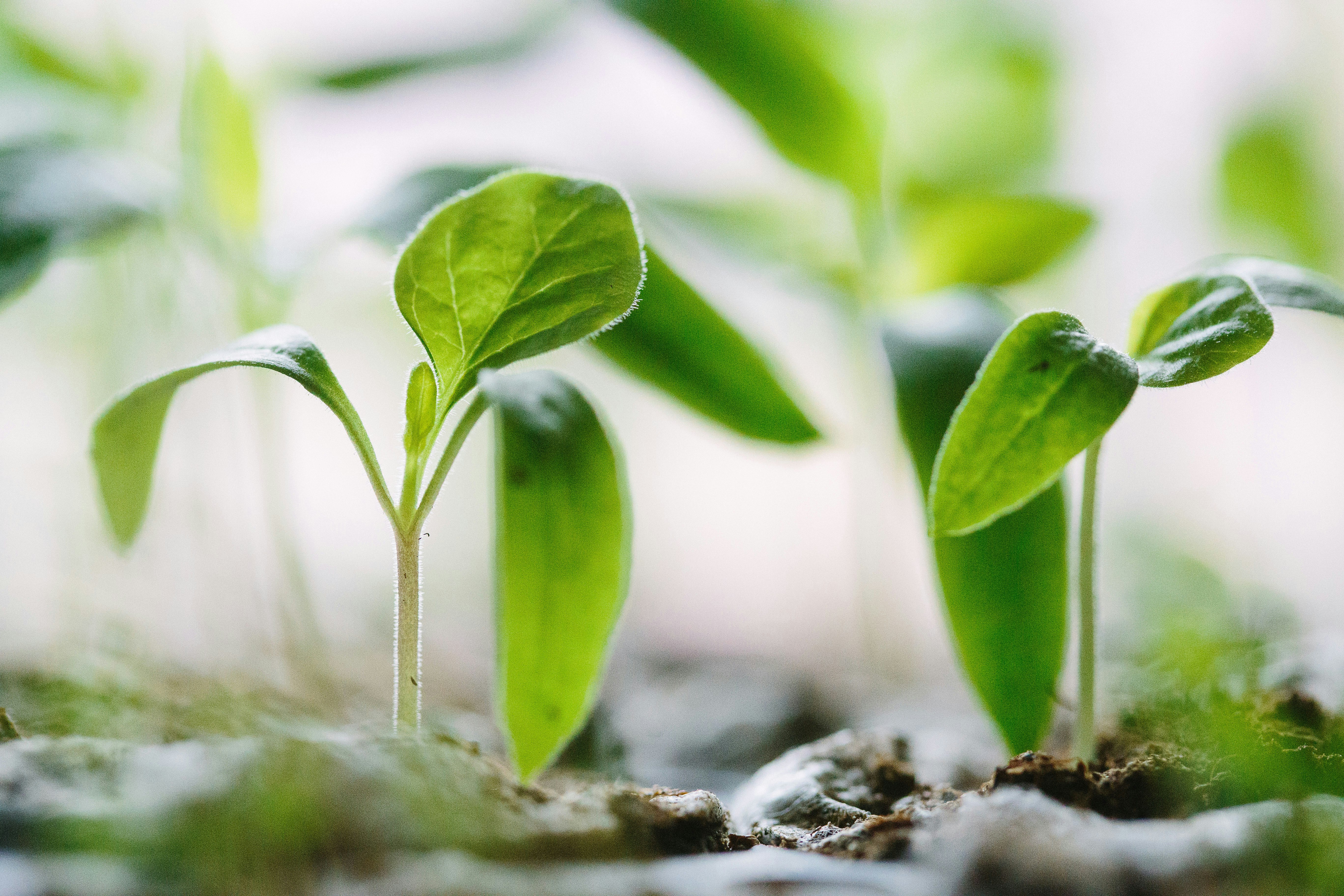
Approximately 2 weeks after sprouting.


**Pepper Joe’s for Seeds, Plants, Peppers and more… Use promo code SIANPJ for 15% discount for new customers.**

🔥🌶️ Home grown last season.
Tips and Tricks 🔥🌶️
🔥🌶️ Here are four tips and tricks for starting hot pepper seeds:
- Use high-quality seed-starting soil: Using a good-quality seed-starting soil will give your seeds the best chance of germinating and growing into healthy seedlings. Look for a soil that is light and well-draining, and avoid using garden soil, which can be too heavy and compacted.
- Provide adequate warmth: Hot pepper seeds need warmth to germinate, so make sure to place them in a warm location or use a seed-starting heat mat. The ideal temperature for germinating hot pepper seeds is around 80-85°F.
- Give them plenty of light: Hot pepper seedlings need bright light to grow strong and healthy, so make sure to place them near a bright window or under grow lights. If you're starting your seeds indoors, you may need to supplement the natural light with fluorescent lights.
- Keep the soil moist: Hot pepper seeds need to be kept consistently moist in order to germinate and grow, but be careful not to overwater them, as this can cause root rot. You can use a mister or a spray bottle to keep the soil moist, and make sure to let the soil dry out slightly between watering.

Home grown 🔥🌶️ last season.

A.I. (dalle2) Generated 🔥🌶️ Art
In conclusion, starting hot pepper seeds is a fun and rewarding process that requires a bit of care and patience, but the end result is well worth the effort. Whether you're looking to add some heat to your garden or to your kitchen, growing your own hot peppers is a delicious way to enjoy the best of both worlds!
© 2023 Flavor Fury Farms™